
The Yard Creative - Rethinking Placemaking and Property - Issue 01 2026
Rethinking Placemaking and Property – Issue 01 2026
tycadmin
January 2026 – Insights + News
Insights + News
Property + Place
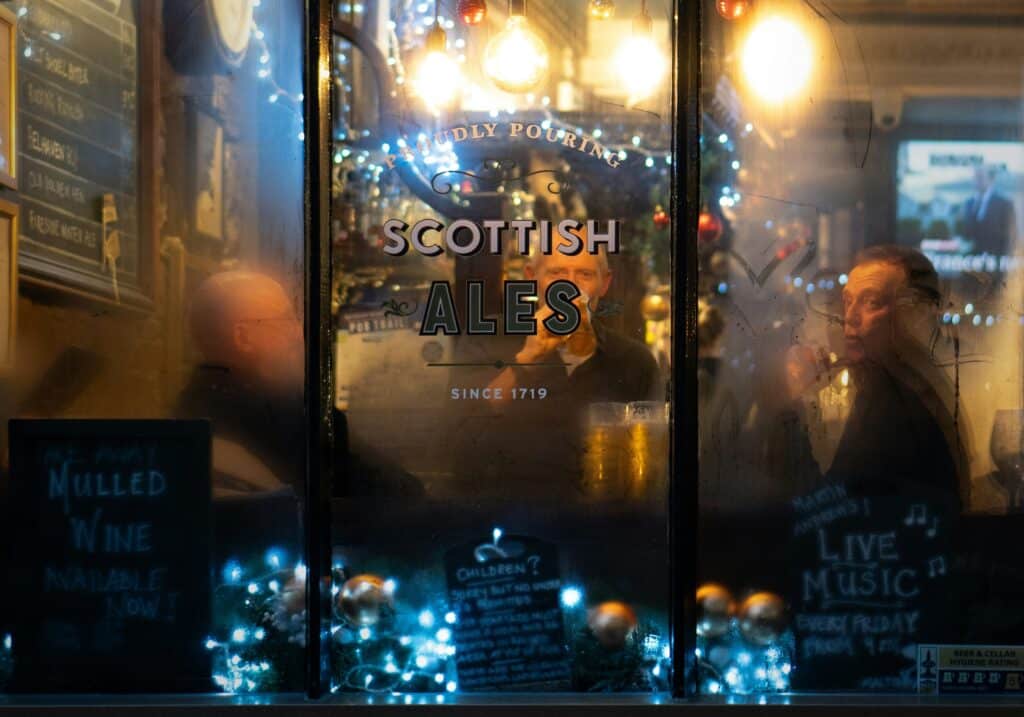
Is it a Happy New Year for the food, beverage and hospitality industry? Emerging data from the festive season paints a mixed picture. Grocery retail performed well, with solid gains, and pubs outperformed expectations, yet restaurants and bars struggled in comparison, indicating ongoing pressure on UK consumers’ wallets going into 2026.
As high streets search for new energy, food and drink is leading the way. From bustling food halls to late-night cafés, F&B is turning empty units into destinations and giving people a reason to return. This month, we explore the bigger picture: how industry leaders are shaping our town centres, how hospitality is reshaping them, and why the future of place might start with what’s on the menu.
Image credit: Unsplash
New Year F&B
Out + About
Leaving the London Bubble – ATCM Big Cities Conference
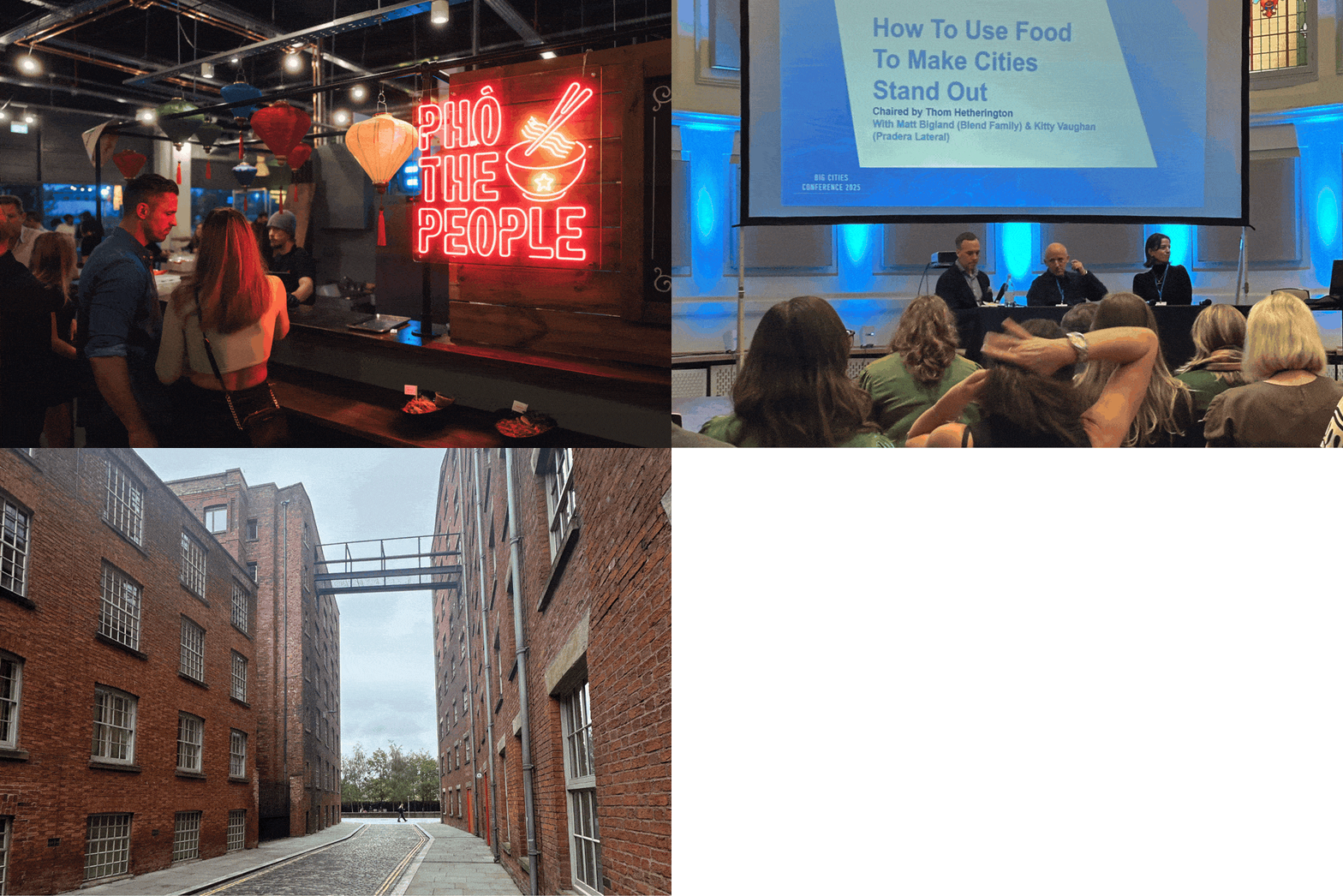
Towards the end of 2025, Laurence left the London bubble and headed to Manchester for the ATCM Big Cities Conference, joining urban leaders and place professionals to explore how we can shape the future of our city centres.
One standout session, “How to Use Food to Make Cities Stand Out,” sparked lively debate on the power of food culture in placemaking. From market halls inspired by Asia’s family-run, rule-free dining traditions to the Trafford Centre’s food hall, now the best-performing in Europe, the message was clear: food isn’t just fuel, it’s a magnet for experience, retail, and community.
“What struck me was how food is becoming a city’s calling card,” said Laurence Pugh, Managing Director at The Yard Creative. “It’s not just about eating, it’s about identity, storytelling, and creating spaces people want to be part of.”
Leaving the London bubble
Project Highlight
Derbion
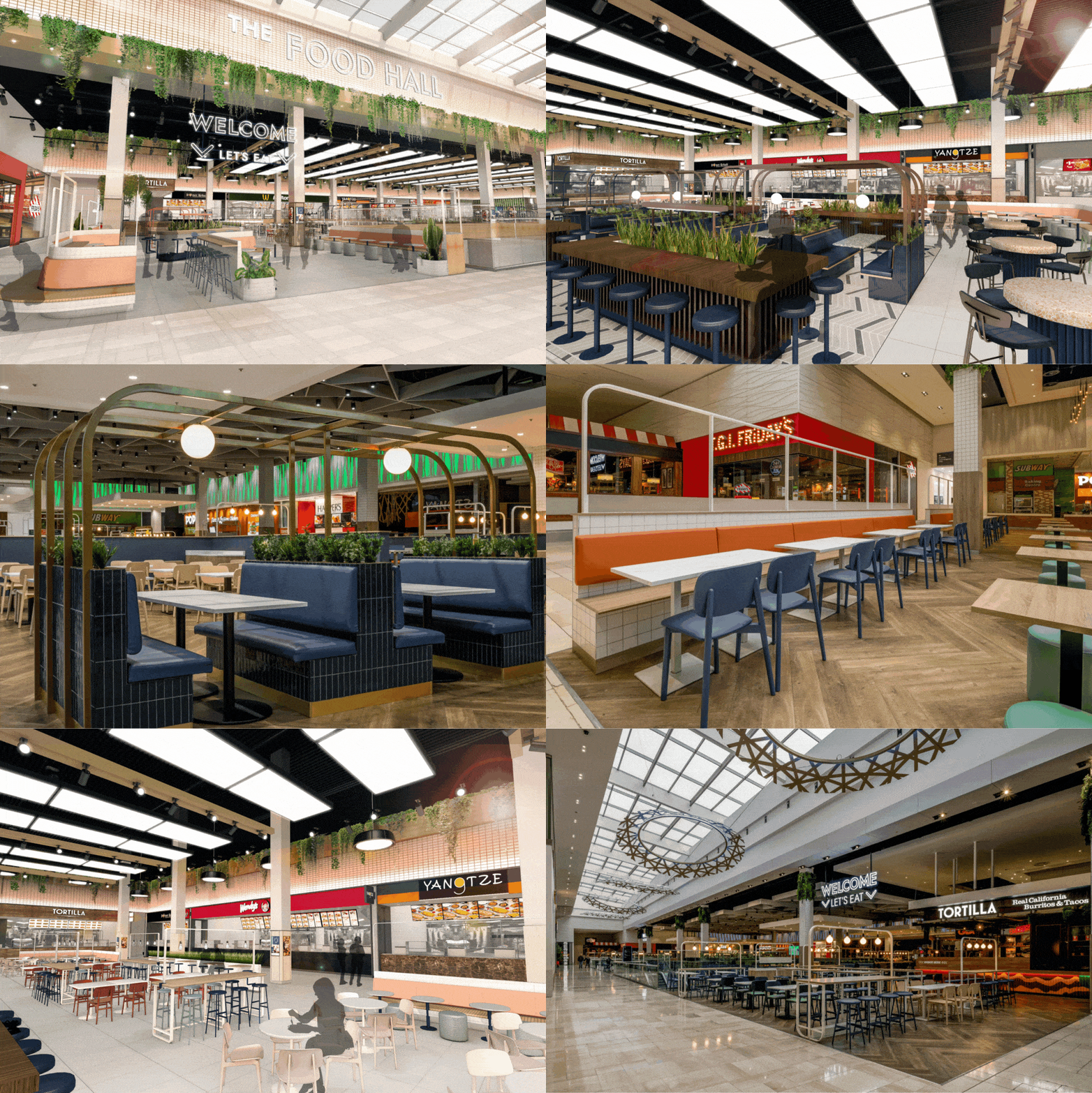
Derbion sits at the heart of Derby, a 1.3 million square foot centre that’s home to high street favourites, independents, leisure, and F&B. But it faced tough challenges: rising vacancies, tired facilities, and a food offer that wasn’t keeping pace with the city’s appetite.
That’s where TYC stepped in. Working with Cale Street Investments, we reimagined the brand from the ground up; new name, new identity, and a digital-first suite of assets. Most importantly, we transformed the food court into an all-day dining destination, designed to attract a wider catchment and make Derbion a place to meet, eat and dwell.
“Our goal was simple: turn a shopping trip into a social experience,” said Laurence Pugh, Managing Director at The Yard Creative. “By elevating the F&B offer and activating the space, we helped Derbion claim its place as Derby’s all-day dining destination … morning, noon and night.”
Beth McDonald, Head of Proposition Development, summed it up: “TYC’s extensive design experience enabled the company to ease through a rapid rebrand.”
Derbion foodhall interior design
Key Insight
Food Hall Footfall
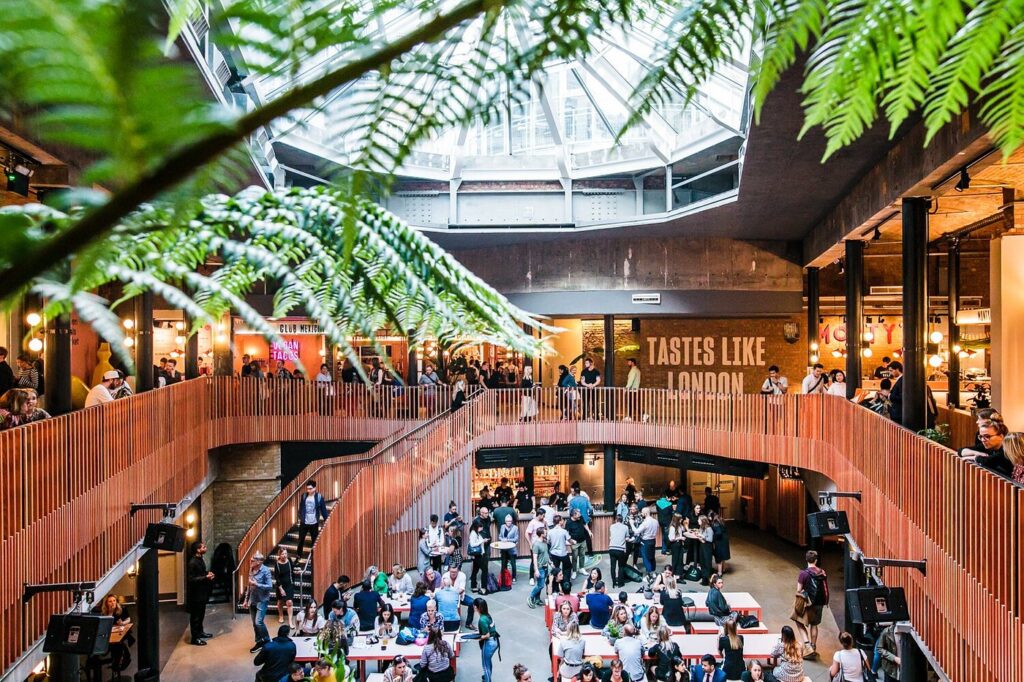
While much of UK hospitality is contracting, one segment is defying the trend: food halls. Over the past year, the market has grown by 26%, with 94 now operating and a strong pipeline of 58 more in development. Multivendor formats aren’t just surviving, they’re thriving, with only one closure in the past 12 months.
Why? Because food halls have shifted from novelty to necessity. They’re no longer “nicetohave” lifestyle spaces; they’re regeneration anchors. By blending choice, community, and experience, they turn vacant retail into vibrant social hubs, driving footfall and spend where traditional formats struggle.
“Food halls aren’t a trend anymore, they’re a tool,” said Laurence Pugh, Managing Director at The Yard Creative. “They give developers and councils a way to activate space quickly, diversify risk, and create experiences that feel local and social. That’s why they’re becoming the heartbeat of regeneration.”
For town centres, this isn’t just a hospitality story – it’s a placemaking strategy. Food halls bring life back to streets, extend dwell time, and create cultural gravity. In short, they’re the infrastructure for the next era of retail renewal.
Image credit: Trip Advisor
Foodhall
To subscribe to the placemaking + property newsletter, click the link.